

The Unstoppable Journey Now Continues...
A crown of gold, a heart of stone, a whisper of war—will the light of a single star be enough to outshine the shadow of a tyrant’s sword?
If the first journey was about the wonder of the discovery, this chapter is about the brutal courage of the defense. It is a high-stakes pursuit that begins where the manger left off, pulling us away from the quiet of the stable and into the treacherous corridors of power. We are no longer just following footprints to a door; we are racing to keep that door from being shattered by the encroaching darkness.
Imagine King Herod as the architect of this malice—a man whose throne is his idol and whose paranoia is his only counselor. He is the lion in winter, sensing a shift in the wind and baring his teeth at a divine threat he cannot see. When the Sages arrive from the East with news of a rival King, Herod doesn’t see a Savior; he sees a usurper. His "fake" smile is the first clue in a deadly game of cat and mouse, and his command to "find the boy" is the spark that sets the night on fire with impending violence.
On this road, the stakes have shifted from mystery to militant mission. Zechariah’s long, agonizing silence becomes the heavy breath before a shout of defiance; the Sages’ exotic gifts become the weight of a perilous choice between safety and truth; and the Shepherds—our familiar, bumbling friends—find that their hooks must now become shields against steel. We find laughter in their frantic misdirections, hear the thunder of a choir that warns of approaching hoofbeats, and witness a community that discovers its iron backbone in the face of a merciless decree.
This is not merely a story of a flight; it is a carefully orchestrated collision—tension that tightens the chest, music that beats like a racing heart, and drama that demands to know: what will you risk for the Light? Each percussive swell, each urgent instrumental, and each shadow cast by a Roman spear illuminates the path for the Holy Family—and for us—leading us toward a rescue we half hope for and half fear is impossible.
And at last, the trail leads to the edge of the desert: sand underfoot, a rising sun overhead, and a distance that finally offers breath. The Shepherds stand on the ridge, watching as the "Shadow of the Sword" falls short, unable to reach the unyielding promise that has already crossed the border. They find that the victory is not in the absence of danger, but in the persistence of the promise. The great has, indeed, escaped the small-minded tyrant; the sacred has outrun the reach of the sword. What they’ve protected isn’t just a child—it’s the future of the world.
So come, stand with the watchers on the wall. Hear the anthem rise like a shield, watch the light outlast the fury, and witness a faith that refuses to be silenced. In this sharpening light, the darkness doesn’t just fade—it fails. And when the curtain falls, you may find that the King who was hunted is the only one truly worth following.
The countdown is on! ⏳
DAYS
HOURS
MINUTES
SECONDS
Get ready for an unforgettable experience—don’t miss your chance to be part of it! Mark your calendar and join us!
Synopsis
"Starry Night: A Shepherd's Journey" was only the beginning. While the shepherds returned to their fields and the world went back to sleep, a shadow was stirring in Jerusalem. "Starry Night II: The Shadow of the Sword" is a high-stakes race against time that pits the fading, desperate power of an earthly tyrant against the unstoppable light of a newborn King.
The production opens in the cold, opulent halls of King Herod’s Palace. Herod, a man consumed by paranoia and the fear of being forgotten, receives a group of mysterious Sages from the East. Their question—"Where is He who has been born King of the Jews?"—shatters Herod’s fragile peace. The hunt is on.
As Herod’s soldiers prepare to march, the story flashes back to the Temple in Jerusalem, where the priest Zechariah has been trapped in a nine-month "Silence of God." We witness the moment the silence breaks, releasing a prophetic fire that signals the arrival of the King’s forerunner. This spiritual breakthrough sets the stage for the physical battle to come.
Back in the hills of Bethlehem, the Shepherd Trio (Ezra, Talitha, and Abigail) find themselves no longer just witnesses to a miracle, but its unlikely bodyguards. When the Sages arrive at a humble house in Bethlehem to present their gold, frankincense, and myrrh, the joy is short-lived. A warning dream reveals Herod’s true, murderous intent: the "Shadow of the Sword" is falling over the town.
The final acts become a High-Octane race for survival. As Joseph and Mary frantically pack to flee toward the Egyptian border, the Shepherds and the Sages must work together to misdirect Herod’s elite guard. In a climactic night of shadows and courage, the community of Bethlehem must decide what they are willing to risk to protect the Light.
The production culminates in a powerful realization: though Herod’s sword is sharp, it cannot kill a promise. As the Holy Family reaches safety and the sun rises over a new era, the cast joins in a triumphant anthem of hope. The King lives, the darkness has failed, and the "Starry Night" continues to shine—brighter and more dangerous than ever before.
Main Cast Summary and Bio
Primary Cast Members with Speaking Roles...
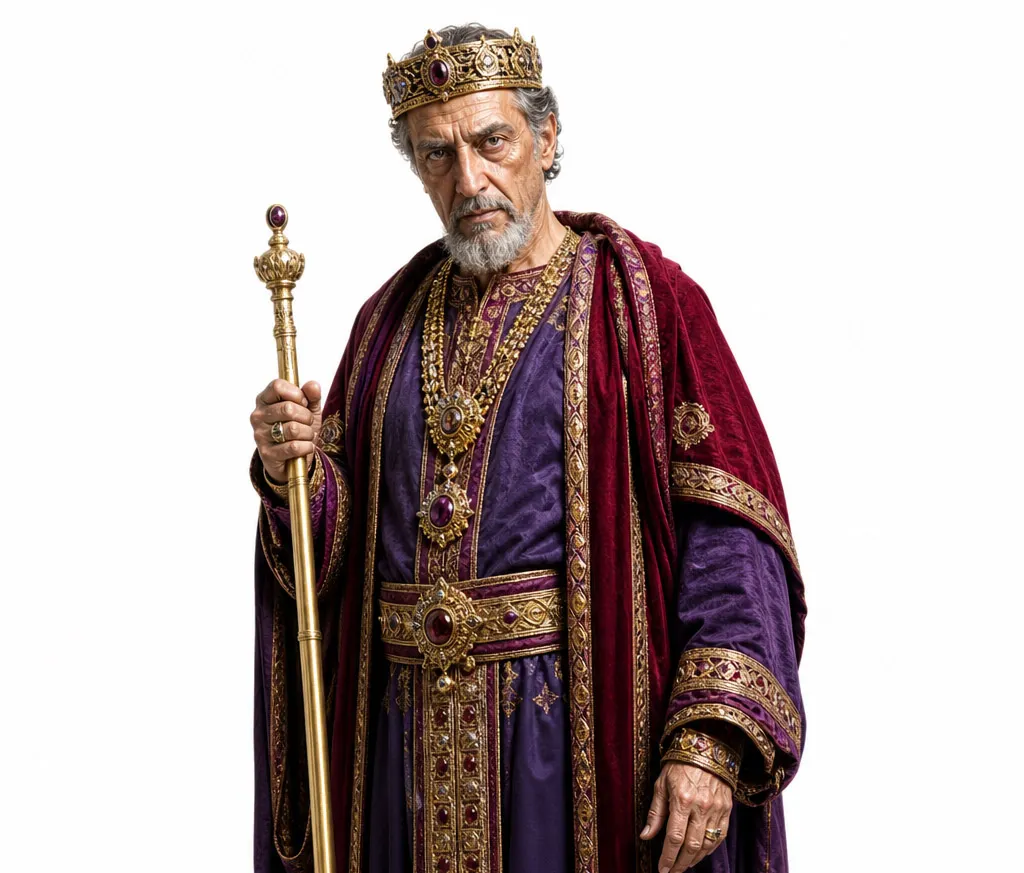
KING HEROD
(Male, Late 60s–70s)
Herod is a man haunted by his own legacy. Once a brilliant strategist who clawed his way to power, he now sits on a throne built on blood and paranoia. Physically deteriorating but mentally sharp, he has already murdered members of his own family to secure his crown. When the Magi arrive asking about a "newborn King," Herod's worst nightmare becomes real: someone might replace him. He is terrifying not because he is evil for evil's sake, but because he is a desperate man who believes power is the only thing that matters. He needs a commanding stage presence and the ability to shift from charming host to cold-blooded tyrant in a heartbeat.
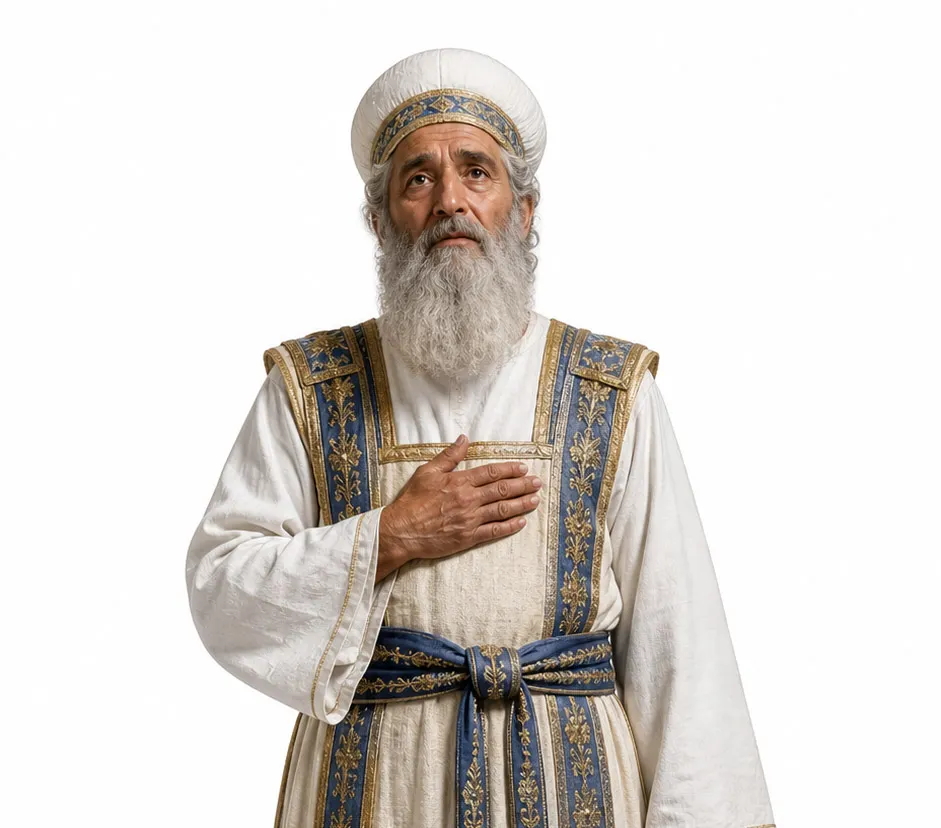
ZECHARIAH
(Male, 60s–70s)
Zechariah is a humble priest who has served faithfully in the Temple for decades, waiting for God to move. When the angel Gabriel appears to him with the promise of a son, Zechariah's doubt costs him his voice—he is struck mute for nine months. This silence becomes his greatest sermon: while the world is loud and chaotic, Zechariah is forced into quiet reflection and dependence on God. His wife Elizabeth becomes his interpreter, and his inability to speak becomes a powerful symbol of waiting and trust. When his son John is born and Zechariah writes "His name is John," his voice returns in an explosive burst of prophetic praise. He is the spiritual anchor of the production, representing the transition from the old covenant to the new.
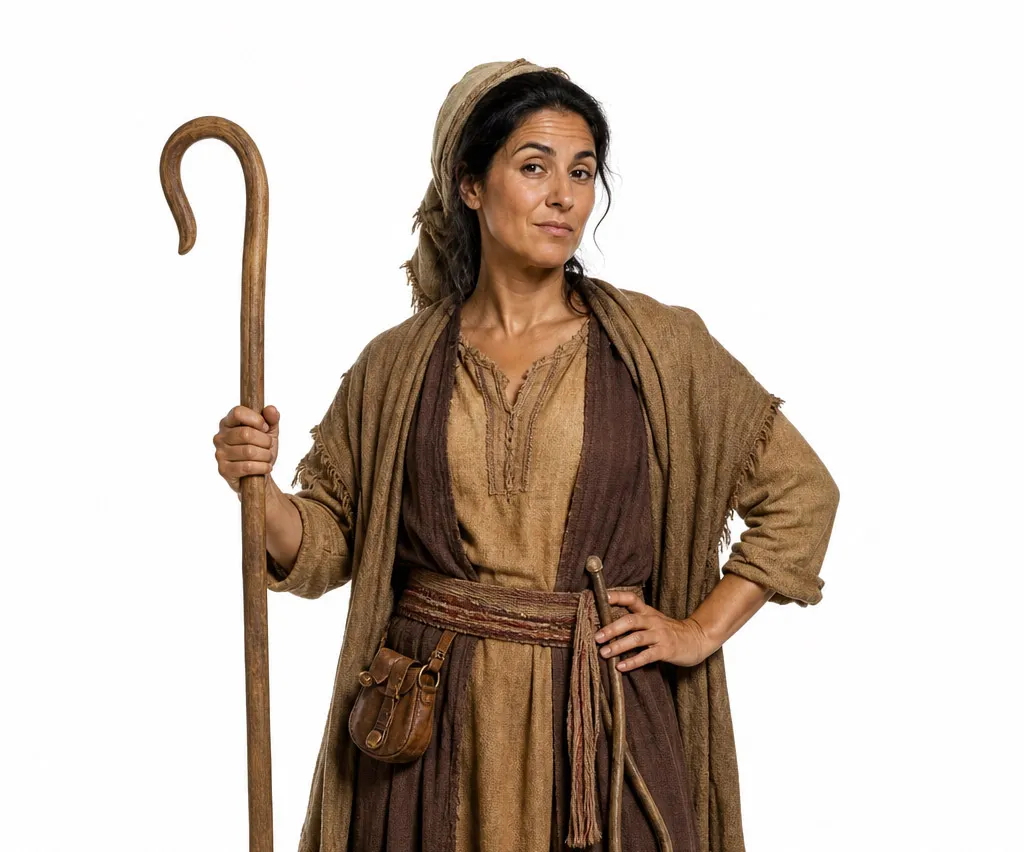
TALITHA
(Cynic Shepherdess) (Female, 30s–40s)
Zechariah is a humble priest who has served faithfully in the Temple for decades, waiting for God to move. When the angel Gabriel appears to him with the promise of a son, Zechariah's doubt costs him his voice—he is struck mute for nine months. This silence becomes his greatest sermon: while the world is loud and chaotic, Zechariah is forced into quiet reflection and dependence on God. His wife Elizabeth becomes his interpreter, and his inability to speak becomes a powerful symbol of waiting and trust. When his son John is born and Zechariah writes "His name is John," his voice returns in an explosive burst of prophetic praise. He is the spiritual anchor of the production, representing the transition from the old covenant to the new.
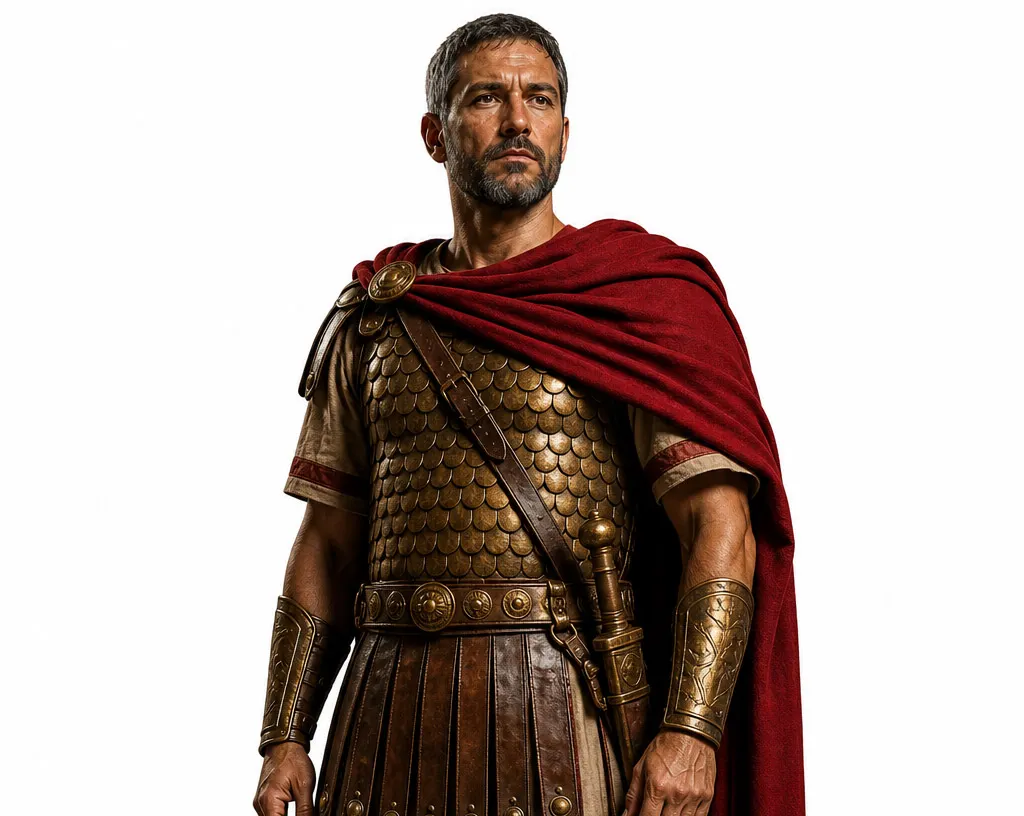
CAPTAIN MALCHUS
(Male, 30s–40s)
Malchus is a career soldier who has served Herod for years. Unlike his king, Malchus is not cruel by nature—he is simply a man who follows orders because that is what soldiers do. He represents the "human face" of an oppressive system: competent, loyal, but increasingly uncomfortable with the moral cost of his duty. When Herod orders him to "deal with" the threat in Bethlehem, Malchus obeys, but the weight of what he must do begins to crack his stoic exterior. By Act 5, when he realizes the "King" has escaped, he must face both Herod's wrath and his own conscience. He is the tragic figure caught between duty and humanity.
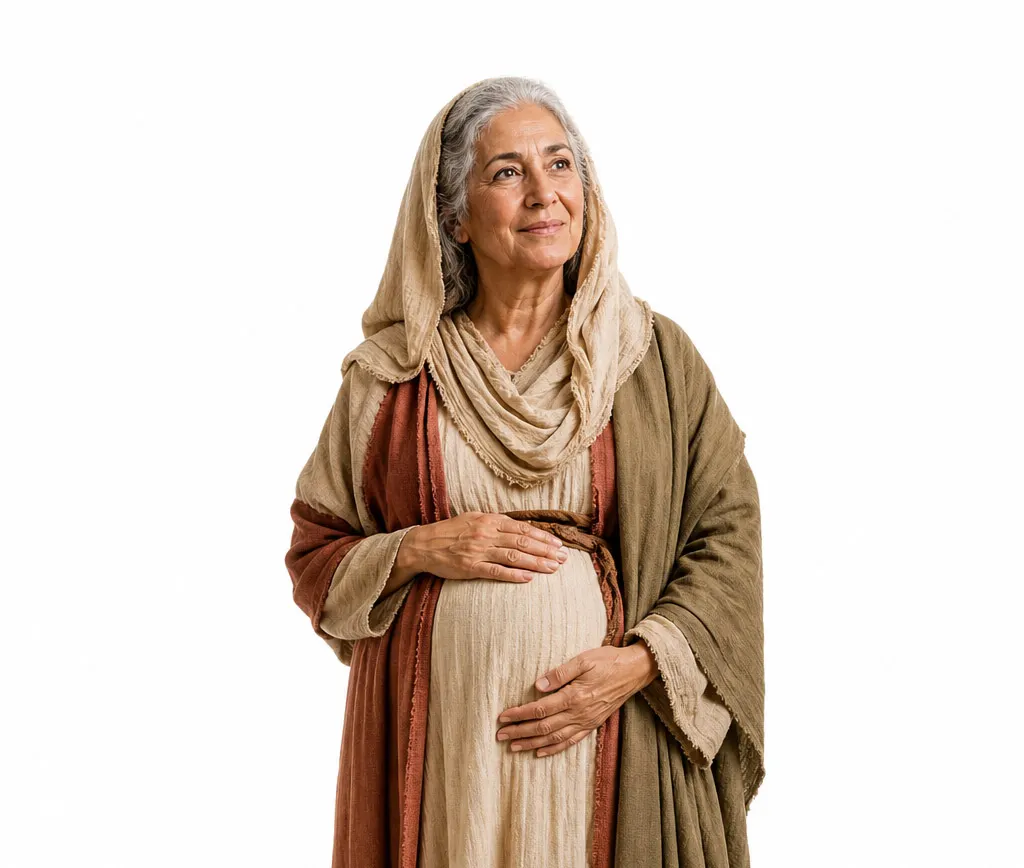
ELIZABETH
(Female, 60s)
Elizabeth is a woman of deep faith who has carried the pain of barrenness for most of her life. When God finally grants her a miracle child in her old age, she becomes a living testimony to God's faithfulness. She is warm, resilient, and wise—the steady presence that holds her household together during Zechariah's nine months of silence. Elizabeth is not just a supporting character; she is a prophetess in her own right, recognizing Mary's child as the Messiah even before He is born. She represents the quiet strength of women who have waited, believed, and seen God move in impossible ways. Her joy is contagious, and her faith is unshakable.
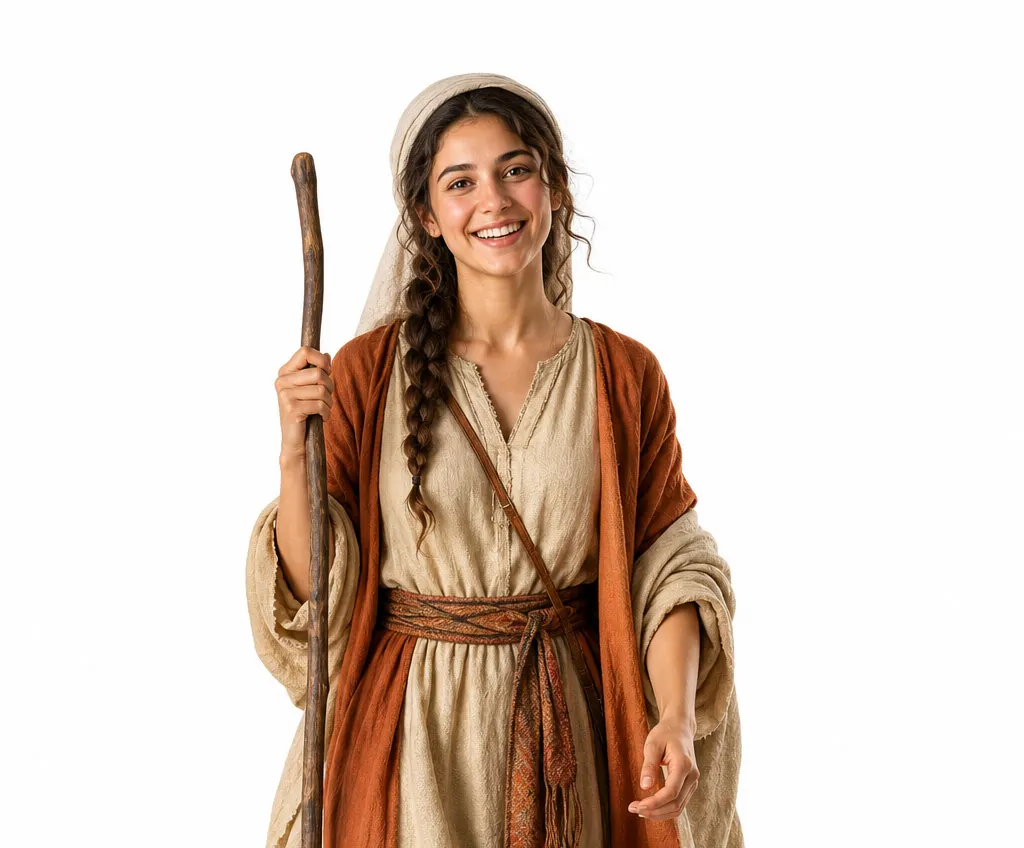
ABIGAIL
(Young Shepherdess) (Female, Late teens–20s)
Elizabeth is a woman of deep faith who has carried the pain of barrenness for most of her life. When God finally grants her a miracle child in her old age, she becomes a living testimony to God's faithfulness. She is warm, resilient, and wise—the steady presence that holds her household together during Zechariah's nine months of silence. Elizabeth is not just a supporting character; she is a prophetess in her own right, recognizing Mary's child as the Messiah even before He is born. She represents the quiet strength of women who have waited, believed, and seen God move in impossible ways. Her joy is contagious, and her faith is unshakable.
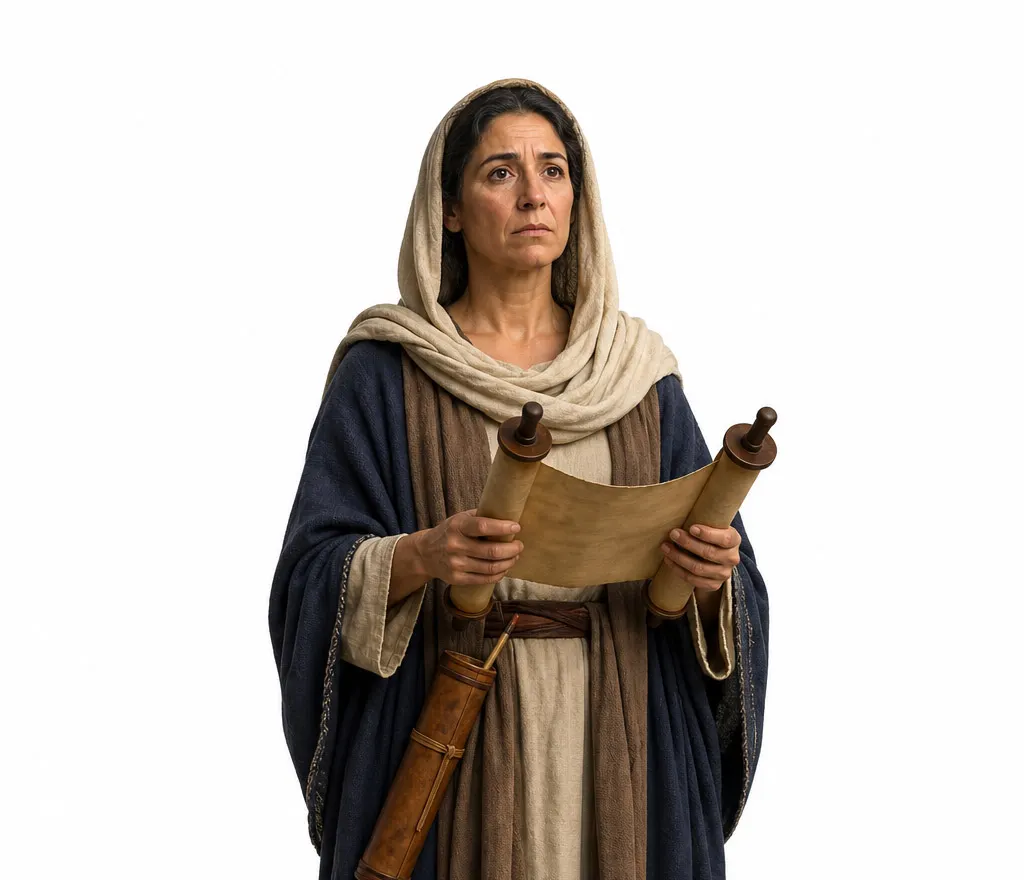
MIRIAM THE SCRIBE
(Female, 40s–50s)
Miriam is the daughter of a respected Temple scholar and has spent her life studying the sacred texts. In a world where women rarely hold positions of influence, she has earned her place in Herod's court through sheer intellect and her father's reputation. She is precise, nervous, and deeply reverent toward Scripture. When Herod demands to know where the prophesied King will be born, Miriam is caught in an impossible position: she cannot lie about what the Scriptures say, but she knows that telling the truth will put innocent lives in danger. Her moment of courage comes when she chooses truth over safety, even as her voice trembles. She represents the cost of integrity under tyranny.
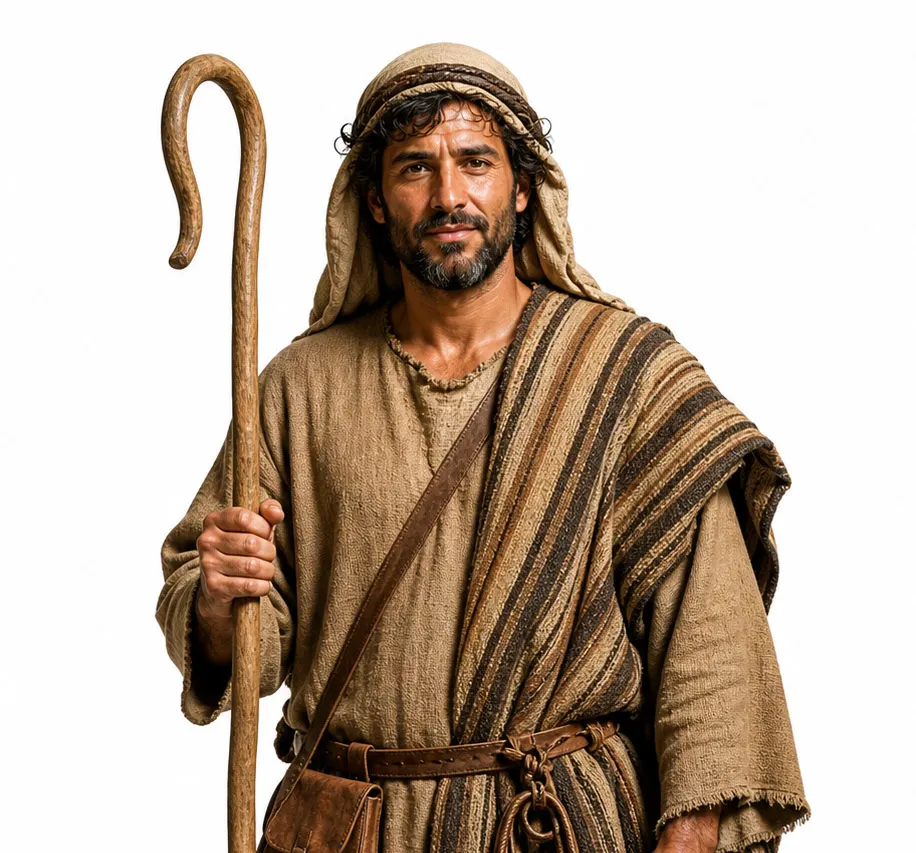
EZRA
(Lead Shepherd) (Male, 30s–40s)
Ezra was one of the shepherds who witnessed the angels and visited the manger in Season 1. That night changed his life, but it also left him with a burden: he feels responsible to protect what he witnessed. Ezra is a reluctant leader—brave but constantly second-guessing himself. He's the kind of man who would rather avoid conflict but will step up when no one else will. When news arrives that Herod is hunting the child, Ezra rallies the other shepherds with a simple truth: "We didn't just see the King to leave Him." He is the heart of the shepherd trio, balancing humor with genuine courage. By Act 5, he becomes the unlikely hero who helps the Holy Family escape.
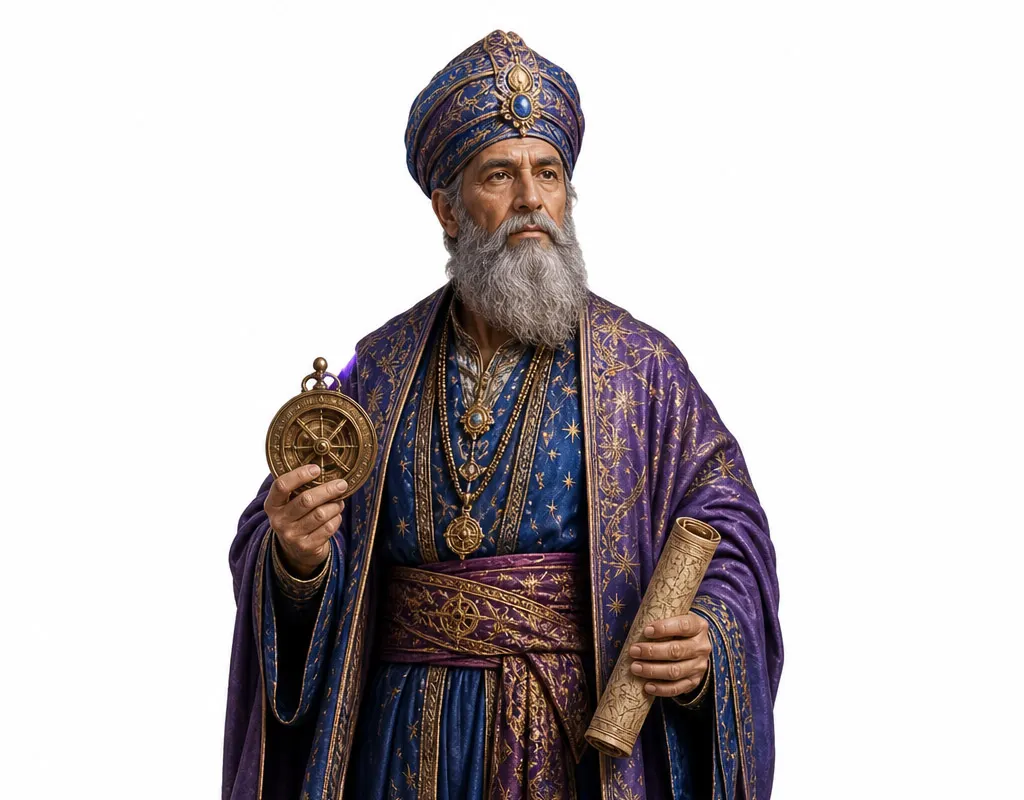
CASPAR
(Lead Sage) (Male, 50s–60s)
Caspar is the eldest and wisest of the three Sages from the East. He is a scholar, astronomer, and seeker of truth who has spent years studying the stars and ancient prophecies. When a new star appears in the heavens, Caspar organizes the caravan and leads the journey to find the promised King. He is dignified, thoughtful, and deeply spiritual. In Herod's court, Caspar is the one who senses the king's deception—he sees through the false piety and recognizes the danger. In Act 4, when he receives the warning dream, Caspar makes the bold decision: "We do not return to Herod." He is the moral compass of the Magi, representing the courage to follow truth even when it costs you everything.
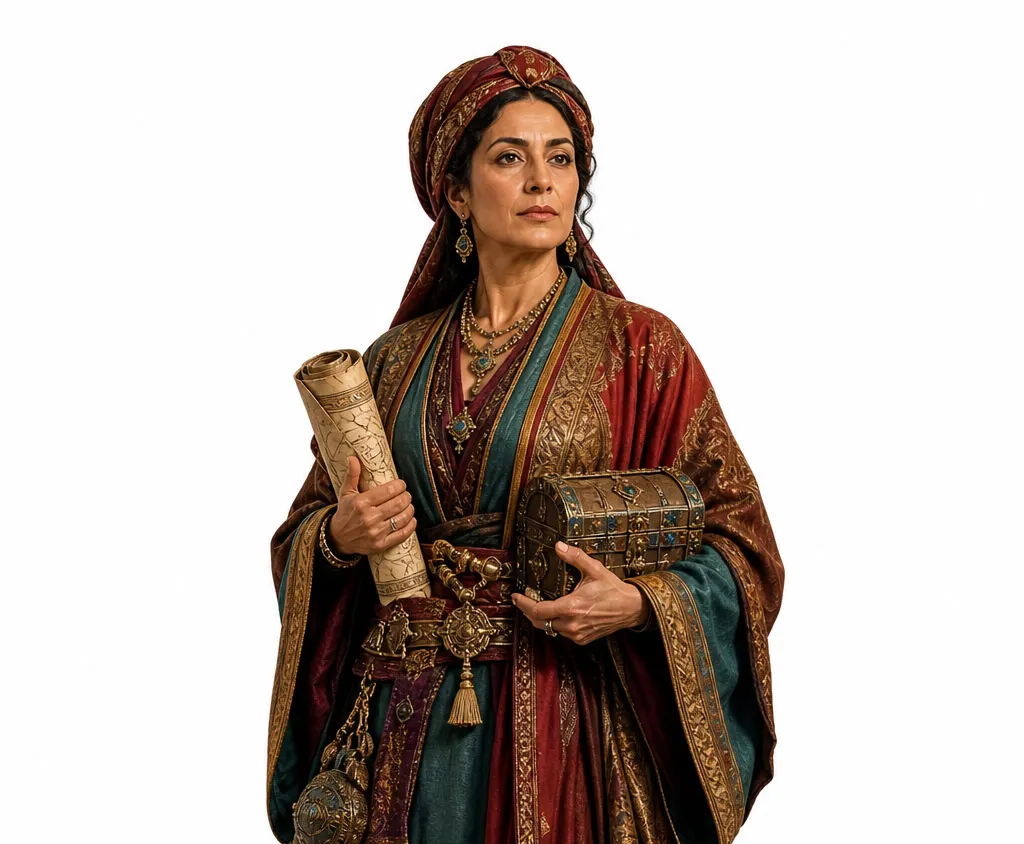
MELARA
(Practical Sage) (Female, 40s–50s)
Melara is the practical strategist of the Sage trio. She manages the caravan, oversees the logistics of the journey, and ensures the precious gifts (gold, frankincense, myrrh) arrive safely. In a male-dominated world of scholars and priests, Melara has earned her place through brilliance and determination. She is sharp, resourceful, and unafraid to speak her mind. When the Sages realize they've been deceived by Herod, it is Melara who asks the critical question: "How do we get home without him knowing?" She is the one who plans the alternate route and ensures the group's survival. Melara represents the strength of women who lead not through force, but through wisdom and courage.
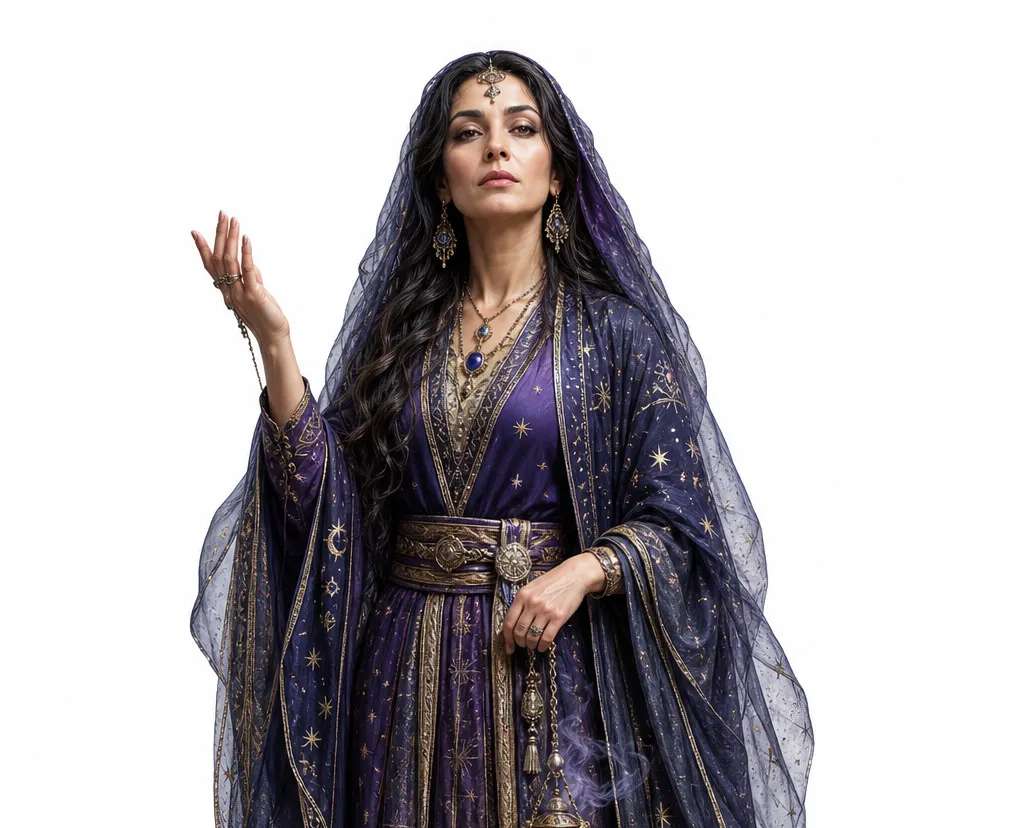
BALTHIRA
(Mystic Sage) (Female, 30s–40s)
Balthira is the mystic and dreamer of the Sage trio. She is deeply attuned to the spiritual realm—visions, dreams, and signs that others might miss. While Caspar studies the stars and Melara manages the journey, Balthira is the one who "feels" the presence of God moving. In Herod's court, she is the first to sense danger, whispering to the others, "This king does not seek to worship. He seeks to destroy." In Act 4, when the warning dream comes, Balthira is the one who receives it most vividly and urges immediate action. She is ethereal, intense, and prophetic—a voice of spiritual discernment in a world of political games.
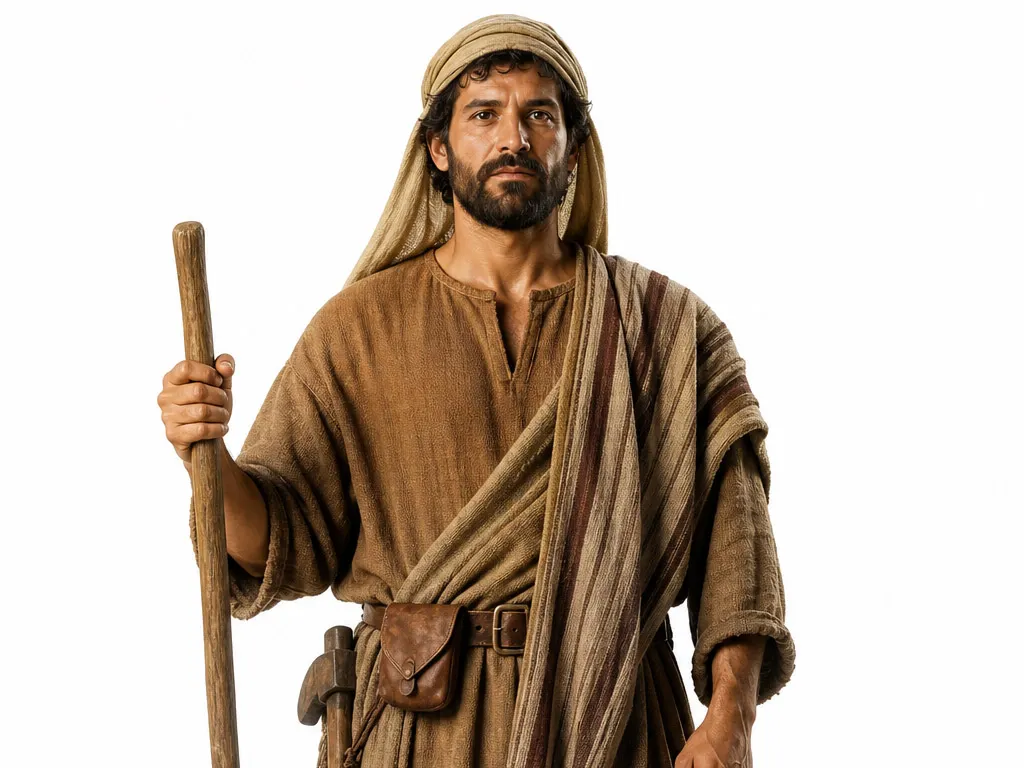
JOSEPH
(Male, 30s)
Joseph is the quiet protector of the Holy Family. He is a man of few words, but when he speaks, it carries weight. Joseph has already said "yes" to God once—when he chose to marry Mary despite the scandal—and now he must say "yes" again by fleeing to Egypt in the middle of the night. He is steady, obedient, and deeply devoted to Mary and the child. Joseph doesn't need grand speeches or dramatic gestures; his strength is in his faithfulness. In Act 4, when the angel warns him in a dream, Joseph doesn't hesitate: "We leave. Now." He is the embodiment of quiet courage and sacrificial love.
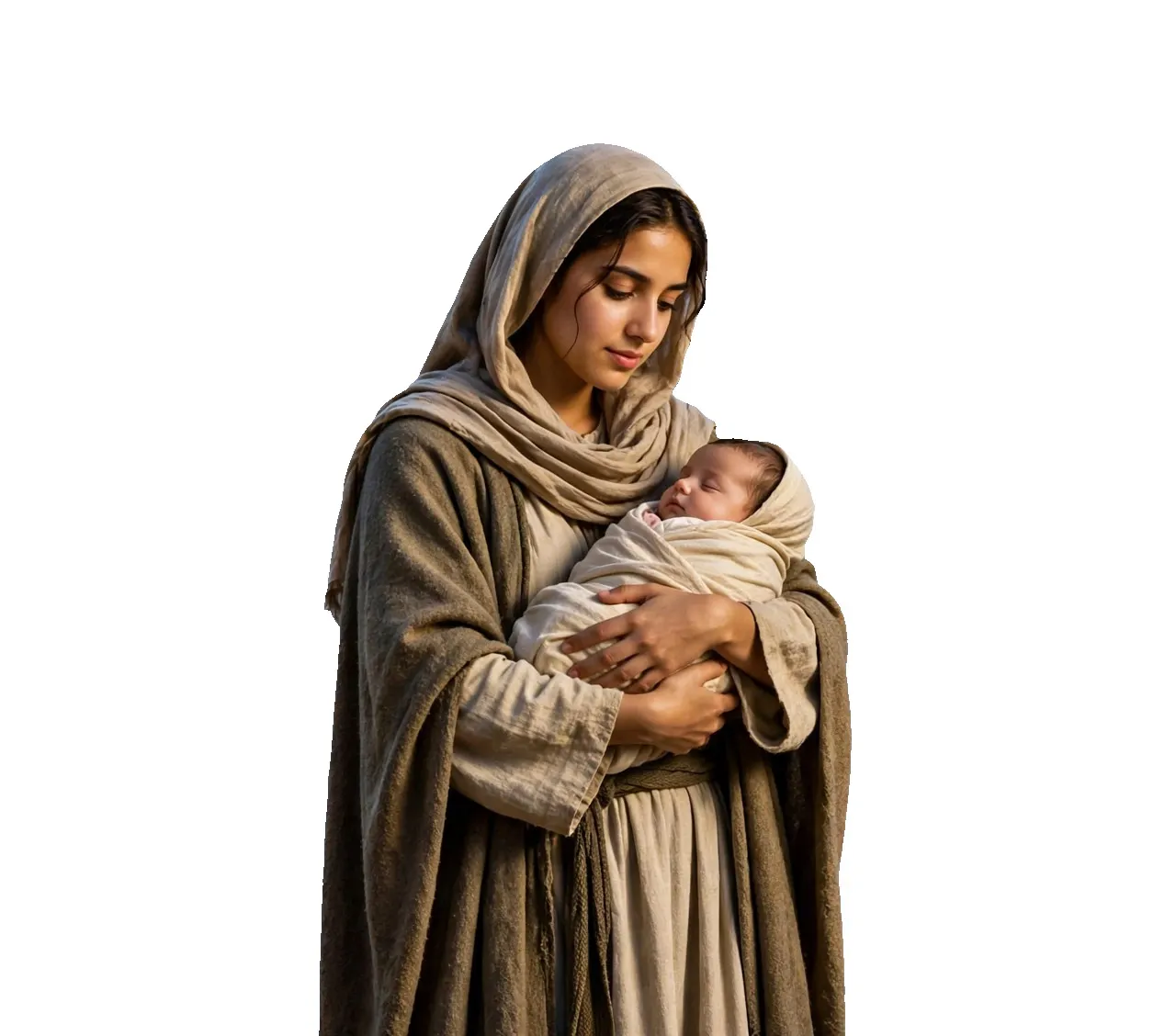
MARY
(Female, Late teens–20s)
Mary is the emotional center of the Holy Family and, in many ways, the entire production. She is tender, strong, and deeply reflective. She has already said "yes" to the impossible—carrying the Son of God—and now she must face the cost of that obedience: her child is hunted, her family is in danger, and she must flee her home in the middle of the night. Mary carries the weight of knowing her son is both the Savior and the target. In Act 5, as they flee, she sings a lullaby over the child that becomes a prayer of trust: "You are safe in the arms of the One who made the stars." Mary represents the strength of mothers who trust God even when the world feels unsafe.

